
A workplace injury seems straightforward at first: you get hurt on the job, you file a workers compensation claim, and benefits cover your medical bills and lost wages. But sometimes the injury involves a delivery driver, a defective machine, or a careless subcontractor who has nothing to do with your employer. When that happens, your case can split into two separate legal tracks at once, and understanding how they interact can mean the difference between a modest settlement and full compensation for what you lost.
How Workplace Injuries Can Involve Two Legal Claims
Most workplace injuries are handled entirely through the workers compensation system, which pays medical expenses and a portion of lost wages regardless of who caused the accident. However, when a person or company outside your employer contributed to the injury, you may also have grounds for a separate civil claim against that third party. This dual-track situation is more common than people realize, especially in industries involving heavy equipment, construction sites, or vehicles.
Understanding which claim applies to which party matters because the rules, deadlines, and available compensation differ significantly between the two systems. Workers compensation is a no-fault system, meaning you do not need to prove negligence to receive benefits. A third-party lawsuit, by contrast, requires showing that someone else’s carelessness or wrongdoing caused your injury.
Identifying a Third Party Who Caused Your Injury
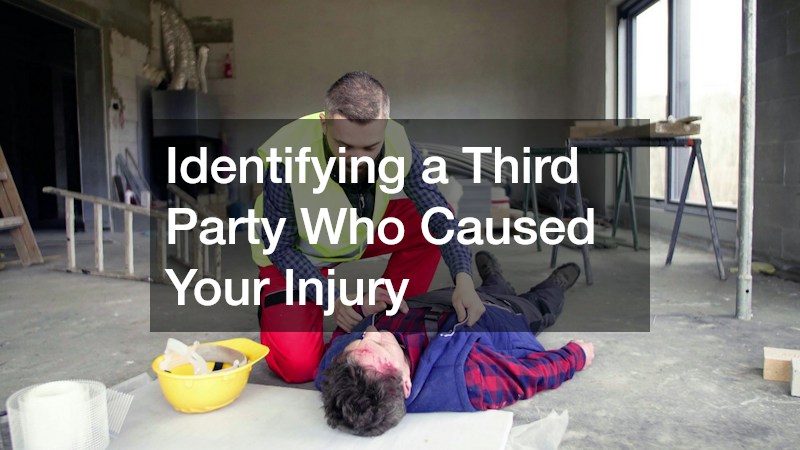
The first step in recognizing an outside lawsuit opportunity is figuring out whether anyone other than your employer or a coworker played a role in the accident. This often requires looking closely at the circumstances surrounding the injury rather than assuming it was simply a workplace accident. Many injured workers never realize a third party was involved until they start asking detailed questions about equipment, property, or vehicles connected to the incident. Common third parties include equipment manufacturers whose defective products caused or worsened an injury, subcontractors working alongside you on a job site, property owners who failed to maintain safe premises, and drivers of vehicles involved in a work-related crash. Even a maintenance company hired to service machinery, or a vendor who delivered faulty materials, could bear some responsibility. Because workplaces often involve multiple companies and contractors, it’s rarely just your direct employer who could be at fault. Certain warning signs should prompt a closer look. Ask whether the injury involved a piece of equipment that malfunctioned unexpectedly, a vehicle owned by another company, or a location you don’t work at regularly but were sent to for the job. If the answer to any of these is yes, there’s a reasonable chance a third party contributed to what happened. Documenting details early makes a significant difference later. Photographs of the equipment or scene, the names of any other companies present, and the make and model of machinery involved can all help an attorney identify liable parties. Workers who wait weeks or months to investigate often lose access to evidence that could have proven a third party’s role.
Common scenarios that reveal third-party involvement include defective tools or machinery purchased from an outside manufacturer, a delivery truck driver who ran a red light while you were working nearby, or faulty equipment provided by a subcontractor rather than your direct employer. A property owner who failed to maintain safe walkways, lighting, or handrails at a job site you were visiting could also bear responsibility, especially if the hazard existed long enough that reasonable inspection should have caught it. Even a coworker employed by a separate staffing agency or contracting company may qualify as a third party, depending on how your state’s workers’ comp laws define “co-employee” immunity. Pinpointing the source of the hazard matters because different third parties trigger different legal theories. A manufacturer might face a product liability claim, a negligent driver a standard personal injury claim, and a property owner a premises liability claim — each with its own evidentiary requirements and statute of limitations. Missing these distinctions early can mean losing access to a claim worth pursuing months down the road. Identifying these parties early also preserves evidence that tends to disappear quickly: skid marks fade, defective equipment gets repaired or discarded, and surveillance footage is often overwritten within 30 to 90 days. Photographing the scene, securing the equipment involved, and gathering witness contact information within the first few days can make the difference between a supportable claim and one that’s impossible to prove later. Acting quickly protects your ability to pursue additional compensation beyond what workers’ comp alone provides.
- A malfunctioning piece of equipment made by a company unrelated to your employer, such as a defective ladder, power tool, or forklift that failed due to a design or manufacturing flaw
- A driver from another business who caused a collision while you were working, like a delivery truck driver who ran a red light while you were on a job site or making a service call
- A subcontractor whose negligence caused a fall or structural collapse, such as failing to secure scaffolding or leaving an unmarked hole in a floor
- A property owner who ignored hazardous conditions on a worksite you visited, including unaddressed spills, poor lighting, or broken stairs they knew about but never fixed
- A manufacturer whose defective safety gear failed to protect you, like a harness that snapped or a hard hat that cracked under normal impact
- A maintenance company or contractor hired to service equipment or premises who performed the work improperly, leading to your injury
- A vendor or supplier whose faulty materials, such as unstable pallets or mislabeled chemicals, directly contributed to the accident
Filing a Workers Compensation Claim First
Regardless of whether a third party is involved, you should still file your workers compensation claim promptly to secure medical treatment and wage replacement while the rest of the situation gets sorted out. Waiting to see how a third-party case unfolds before filing can cost you benefits you are entitled to receive immediately. Many workers comp lawyers recommend treating the two claims as parallel processes rather than sequential ones, so you are not left without income during a lengthy investigation.
It is worth noting that accepting workers compensation benefits does not prevent you from also pursuing the outside party responsible for your injury. The two systems are designed to work together, though coordination between them requires careful attention to avoid double-dipping on the same losses. Keeping detailed records of your treatment, missed work, and communications with the insurance carrier will support both claims moving forward.
Building a Case Against the Responsible Outside Party
A third-party claim functions much like any other personal injury case, which means you must establish that the outside party acted negligently and that their negligence directly caused your injuries. This typically involves gathering witness statements, accident reports, maintenance records, and any available video footage from the scene. Personal injury lawyers who handle these cases regularly know what evidence carries the most weight and how to present it effectively. The burden of proof is higher than in a workers compensation claim, so thorough documentation matters enormously.
Because these cases often involve insurance companies looking to minimize payouts, having strong evidence early can prevent lowball settlement offers. A personal injury lawyer experienced in workplace-related third-party claims can help identify all potential sources of compensation, including pain and suffering damages that workers compensation does not cover. These additional damages can be substantial, particularly in cases involving permanent injury or long-term disability.
Recognizing When a Vehicle Accident Complicates the Claim
Some of the most common third-party workplace injuries happen on the road, such as when an employee is driving for work purposes and gets hit by another motorist. These cases blend workers compensation rules with standard auto accident liability, creating a situation that requires careful legal navigation. The at-fault driver’s insurance company will likely conduct its own investigation separate from the workers compensation carrier.
If you were injured in a collision while performing job duties, consulting car accident lawyers alongside your workers compensation claim can help you understand how the two processes intersect. They can also help determine whether the other driver had adequate insurance coverage to compensate you fully for your losses. This is especially important when injuries are severe enough to result in long recovery times or permanent limitations.
Calculating Damages Available Through Each Claim
Workers compensation benefits are generally limited to medical expenses and a percentage of your lost wages, calculated according to a set formula rather than the actual extent of your suffering. A third-party lawsuit opens the door to broader categories of compensation that reflect the full impact of the injury on your life. This distinction is one of the main reasons injured workers pursue both avenues when possible.
Understanding what each claim can realistically provide helps set proper expectations before negotiations begin. Some damages overlap between the two systems, which means any settlement or verdict from a third-party case may need to reimburse the workers compensation carrier for benefits already paid. This process, known as subrogation, is a detail many injured workers overlook until it affects their final payout.
- Medical expenses, including future treatment needs tied to the injury
- Lost wages and diminished earning capacity going forward
- Pain and suffering damages not available through workers compensation
- Emotional distress connected to the accident or its aftermath
- Punitive damages in cases involving particularly reckless conduct
Deciding When to Consult a Legal Professional
Not every workplace injury requires outside legal help, but cases involving a third party almost always benefit from professional guidance given the overlapping rules and deadlines involved. Personal injury attorneys who regularly handle workplace-related third-party claims understand how to coordinate with workers compensation carriers while pursuing the outside party for additional damages. This coordination can prevent costly mistakes, such as accidentally jeopardizing your comp benefits while negotiating a separate settlement.
Timing matters considerably in these situations, since statutes of limitations for third-party claims often differ from workers compensation filing deadlines. Consulting a professional early, even just for a consultation, can clarify your options before critical deadlines pass. Many firms offer free initial reviews specifically because they understand how confusing these dual-track cases can be for injured workers trying to sort things out on their own.
A workplace injury that involves an outside party adds real complexity to what might otherwise be a straightforward claim, but it also opens the door to compensation that workers compensation alone cannot provide. Taking the time to identify all responsible parties, document the incident thoroughly, and understand your rights under both systems puts you in a stronger position. If you suspect someone outside your workplace contributed to your injury, seeking professional guidance sooner rather than later will help protect both your health and your financial recovery.