
A fall from scaffolding can happen in seconds, but the injuries and financial fallout often last for months or years. Behind many of these accidents lies a pattern of overlooked safety rules, skipped inspections, or shortcuts taken to save time and money. If you or someone you love has been hurt this way, understanding how these gaps occur can help you make sense of what happened and what to do next. This article breaks down the common safety failures behind scaffolding falls and the steps worth taking afterward.
Common Scaffolding Hazards on Construction Sites
Scaffolding looks sturdy from the ground, but small errors in setup or maintenance can turn it into a serious hazard. Many falls trace back to issues that should have been caught long before a worker ever stepped onto the platform. Recognizing these hazards helps explain why so many incidents are preventable rather than accidental in the truest sense.
- Missing or improperly installed guardrails
- Planks that are cracked, warped, or spaced too far apart
- Overloading the platform beyond its weight capacity
- Unstable footing due to uneven ground or poor bracing
- Failure to secure scaffolding to the building structure
Federal and State Safety Standards for Scaffolding
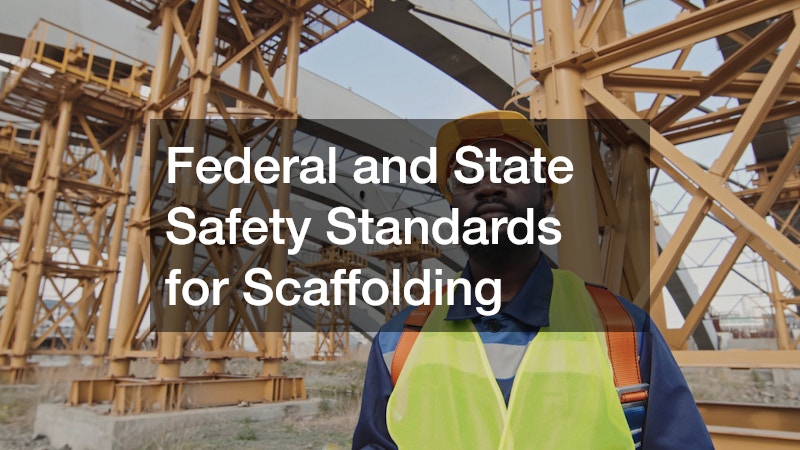
Scaffolding use is governed by strict regulations designed to prevent exactly these kinds of accidents. The Occupational Safety and Health Administration sets baseline requirements for how scaffolding must be built, inspected, and maintained on job sites across the country. These rules cover everything from load limits to fall protection systems, and they exist because scaffolding failures have historically caused so many preventable injuries.
State and local building codes often add another layer of requirements on top of federal rules. Employers are expected to train workers on proper scaffolding use, inspect structures daily, and document any changes or repairs. When these standards are ignored or only partially followed, the risk of a fall increases dramatically, and the resulting gap in compliance can become a central issue in any later investigation.
How Employers and Contractors Create Safety Gaps
Safety gaps rarely appear out of nowhere. They usually develop through a combination of rushed schedules, inadequate training, and poor communication between contractors and subcontractors on a site. When multiple companies share responsibility for a project, it can become unclear who is actually responsible for inspecting scaffolding before each shift.
Cost-cutting also plays a role in many incidents. Some contractors reuse damaged equipment, skip mandatory inspections, or fail to provide adequate fall protection gear to save money on a tight budget. These decisions may not seem significant day to day, but they compound over time and often surface only after an accident has already occurred.
- Inconsistent daily inspection routines
- Lack of clear safety leadership on multi-contractor sites
- Insufficient training for new or temporary workers
- Pressure to finish jobs quickly, even when conditions are unsafe
What to Do Immediately After a Scaffolding Accident
The steps taken right after a fall can significantly affect both a worker’s recovery and any later claim for damages. Getting proper medical attention should always come first, even if injuries seem minor at the time, since some symptoms take hours or days to appear. Documenting the scene, if possible, can also preserve important details that might otherwise be lost once cleanup begins.
- Seek emergency medical care and follow up with a full evaluation
- Report the incident to a supervisor and request a written report
- Take photos of the scaffolding, surrounding area, and any visible injuries
- Collect names and contact information of witnesses
- Keep records of medical visits, missed work, and related expenses
When to Involve Legal Support After a Fall
Many workers assume that workers’ compensation is their only option after a scaffolding accident, but that is not always the case. Workers’ comp typically covers medical bills and a portion of lost wages, but it generally bars claims against an employer and doesn’t account for pain and suffering. If a third party, such as a scaffolding manufacturer, property owner, or subcontractor, contributed to unsafe conditions, additional legal claims may be possible. Common scenarios that open the door to third-party claims include defective scaffolding parts that failed under normal use, a property owner who ignored known hazards, or a subcontractor who improperly assembled equipment they weren’t authorized to install. Even OSHA citations issued after an inspection can serve as useful evidence of negligence, though they don’t automatically guarantee a successful claim on their own. A personal injury lawyer can help sort through the details of a case to determine whether other parties share responsibility beyond an employer. This often involves reviewing site safety logs, maintenance records, and witness statements to piece together what actually went wrong. Because these cases can involve multiple layers of liability, and strict deadlines for filing claims vary by state, consulting an attorney sooner rather than later can protect a worker’s ability to recover full compensation.
Because construction sites often involve several companies working together—general contractors, subcontractors, equipment lessors, and property owners—figuring out liability can be complicated without help. A worker injured in a scaffolding fall may have grounds for a claim against multiple parties, not just their direct employer, especially if faulty equipment or a third party’s negligence contributed to the accident. A construction accident lawyer typically understands how OSHA violations, site inspection records, and contractor agreements factor into these claims. They know, for example, that a citation under OSHA’s scaffolding standard (1926.451) can serve as powerful evidence of negligence, and they can request incident reports, safety meeting logs, and maintenance records before they’re altered or discarded. Timing matters more than most workers realize. Evidence like scaffold configurations, guardrail placement, and weather conditions can change or disappear within days, and witness memories fade quickly. Getting an experienced opinion early can prevent important evidence from being lost and can clarify what compensation might realistically be available, whether that includes medical expenses, lost wages, or a separate personal injury claim beyond standard workers’ compensation benefits.
Evaluating Compensation and Long-Term Recovery Needs
Scaffolding falls often cause injuries that require extended medical care, physical therapy, or even permanent lifestyle changes. Calculating fair compensation means looking beyond immediate medical bills to consider future treatment, lost earning potential, and the emotional toll of a serious injury. Many injured workers underestimate these long-term costs until they are already deep into recovery.
Consulting with a Personal Injury Attorney early in the process can help injured workers understand what a fair settlement should actually include. These conversations often reveal costs that might otherwise be overlooked, such as home modifications or ongoing therapy needs. Taking time to fully assess the impact of an injury before accepting any settlement offer is one of the most important steps in protecting long-term financial stability.
Scaffolding falls are rarely just bad luck; they are often the visible result of safety rules that were bent, ignored, or never properly enforced. Understanding these gaps can help injured workers and their families make sense of what happened and push for meaningful accountability. If you are dealing with the aftermath of a fall, take time to document everything, seek proper medical care, and get informed guidance before settling any claim. Taking these steps now can make a significant difference in both your recovery and your financial future.