
The moments following a crash are usually a blur of adrenaline, confusion, and phone calls. For most people, the first call goes to a spouse or a friend, and the second often goes to an insurance representative. There is a sense of relief that comes from hearing a familiar voice on the other end of the line, someone who promises that everything will be handled. However, as the weeks turn into months, a strange tension often develops. The person who was so helpful on the day of the crash suddenly seems to be speaking a different language than the legal professional hired to protect the victim. This friction is not a mistake; it is a fundamental part of a complex system where different parties have very different goals. Understanding why these entities often disagree is essential for anyone trying to navigate the recovery process without losing their financial stability or their peace of mind.
The Chaos of the Initial Impact
When a vehicle strikes another object or car, the physical damage is only the beginning of the story. Most people focus on the immediate needs: getting the car towed, finding a rental, and checking for obvious injuries. This initial event, often referred to as an auto collision, sets off a chain reaction of paperwork and administrative hurdles. From the perspective of a driver, the goal is simple. They want to get back to their normal life as quickly as possible. They expect the systems they pay into every month to work seamlessly. But beneath the surface, the gears of a massive corporate machine are starting to turn. Data is being collected, statements are being recorded, and liability is being calculated. The way an individual describes the event in those first few hours can have massive implications for how their claim is valued a year later. This is where the first seeds of disagreement are sown, often before any legal professionals are even involved in the conversation.
The Reality of Insurance Relations

Many drivers take comfort in the fact that they have worked with the same office for years. They know the names of the people behind the desk and feel a sense of loyalty to their local insurance agency because of that personal connection. This relationship is built on trust, and in many cases, the people working there truly do want to help their neighbors. However, a local agent is rarely the person making the final decision on a high-value settlement. The actual checks are written by adjusters at a corporate headquarters who view every claim as a line item on a balance sheet. The local office provides the friendly face, but the corporate entity provides the financial rules. This creates a disconnect where the policyholder feels supported by their neighborhood contact while the larger company is simultaneously working to minimize the payout. The disagreement between a victim’s expectations and the company’s offer often stems from this dual nature of modern insurance providers.
The Necessity of Legal Advocacy
When the friendly nature of the initial claims process begins to fade, many individuals realize they need someone whose only loyalty is to them. This is the point where a car accident attorney enters the picture. Unlike an insurance adjuster, whose job is to protect the company’s profit margins, this legal professional has a fiduciary duty to the client. They look at the situation through a different lens, focusing on the long-term impact of injuries rather than just the immediate repair costs of the vehicle. They understand that what might seem like a fair offer today could leave a victim struggling with medical bills five years from now. This shift in perspective is often what causes the most friction. The insurance company wants a quick and inexpensive resolution, while the legal advocate wants a comprehensive and fair one. These two goals are fundamentally at odds, leading to the long negotiations and disagreements that characterize many modern legal claims.
Why Proximity and Community Knowledge Matter
In a world where everything is moving toward digital interactions and national call centers, there is still an immense amount of value in working with a local lawyer. This person understands the specific geography of the area where the incident occurred. They know which intersections are notorious for poor visibility and which local roads are currently under construction. This community-specific knowledge is something that a remote adjuster or a national legal factory simply cannot replicate. When a disagreement arises over how an incident occurred, having someone who can literally walk the scene and understand the local traffic patterns is a significant advantage. It allows for a more nuanced argument that goes beyond what is written in a police report. This granular level of detail is often what tips the scales in a negotiation, proving that what seemed like a simple mistake was actually the result of a known hazard or a specific local pattern of negligence.
The Burden of Evidence and Investigation
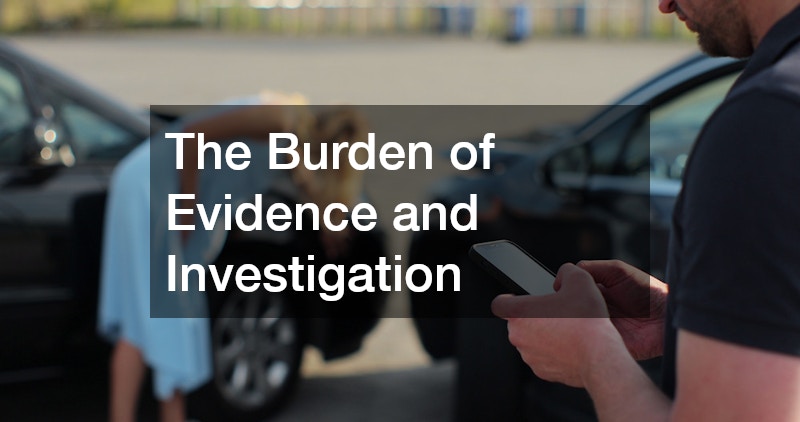
Proving who was at fault is rarely as straightforward as it seems on a television drama. It requires a meticulous gathering of data, ranging from digital downloads of vehicle computers to witness statements that must be vetted for accuracy. Most people do not realize that car accident lawyers spend a significant portion of their time acting as investigators. They must piece together a narrative that can withstand the scrutiny of a skeptical insurance company or a jury. The disagreement between the insurer and the legal team often centers on the interpretation of this evidence. An insurance company might point to a lack of immediate medical treatment as evidence that an injury is not serious. Conversely, the legal team will use expert testimony to explain how certain spinal injuries do not manifest symptoms until days or weeks after the initial impact. This battle of experts is a hallmark of the post-crash ecosystem, and it requires a deep understanding of both physics and medicine to win.
The Financial Ripple Effect on the Household
A major crash does not just damage a vehicle; it disrupts the entire flow of a family’s life. When a primary breadwinner is unable to work, the stress of mounting bills can lead to tension that spills over into every aspect of the home. In some cases, the financial and emotional strain is so great that it can lead to domestic disputes or even the dissolution of a marriage. While it may seem unrelated, many people find themselves needing to consult with family attorneys during the aftermath of a catastrophic injury. The intersection of financial loss and personal stress creates a volatile environment. A settlement that is too small or takes too long to arrive can exacerbate these issues, turning a physical injury into a structural crisis for the family unit. This is why a fair and timely resolution is not just about money; it is about preserving the stability of a person’s entire life.
Calculating the True Value of Recovery
One of the primary points of contention in any claim is the definition of “reasonable” medical expenses. An insurance company uses software to determine what it thinks a specific injury should cost to treat. However, these programs do not account for the unique physiology of an individual or the complexities of their recovery. This is where a personal injury lawyer becomes indispensable. They work with doctors and specialists to build a life-care plan that accounts for future surgeries, physical therapy, and the potential for chronic pain. The insurance company will almost always disagree with these projections, labeling them as speculative or unnecessary. This disagreement is the core of the legal battle. One side is trying to predict the minimum amount needed to close the file, while the other is trying to ensure that the victim never has to pay out of pocket for an injury they did not cause.
The Influence of Professional Standing

Reputation is a silent but powerful force in the legal world. When a case is being negotiated, the insurance company is not just looking at the facts; they are looking at who is representing the victim. They know which professionals are willing to take a case to trial and which ones prefer to settle quickly for a lower amount. A local attorney who has a track record of winning in front of local juries commands a different level of respect than a firm that only handles a high volume of small claims. This reputation serves as leverage. If an insurance company knows that the person on the other side is prepared to go the distance, they are often more willing to offer a fair settlement to avoid the expense and risk of a trial. This dynamic is a key part of the ecosystem, as it sets the boundaries for what is considered an acceptable compromise between the two parties.
When Civil Claims and Criminal Charges Intersect
Sometimes, a crash involves more than just a dispute over insurance money. If one party was acting with extreme negligence or was under the influence, the situation can quickly move from the civil courts into the criminal justice system. In these instances, the presence of an experienced criminal attorney is required to navigate the complexities of the law. A criminal conviction can have a massive impact on a civil case, as it can be used as evidence of liability. However, the standards of proof are different in these two arenas. While a civil case focuses on a “preponderance of the evidence,” a criminal case requires proof “beyond a reasonable doubt.” This creates a multi-layered legal puzzle where the outcome of one case can dictate the strategy of the other. The insurance company will often wait for the criminal proceedings to conclude before making a serious offer, leading to further delays and disagreements over the timeline of the recovery.
Addressing Allegations of Impairment
In many crashes, there is a question of whether one of the drivers was impaired by alcohol, medication, or even extreme fatigue. These allegations are serious and can change the entire trajectory of a case. If a driver is accused of being under the influence, they will need a DUI lawyer to protect their rights and ensure that the evidence against them was collected legally. From an insurance perspective, a finding of impairment can lead to a denial of coverage or a massive increase in liability. The disagreement here often revolves around the accuracy of field sobriety tests or the calibration of breathalyzer machines. If the evidence of impairment is successfully challenged, it can completely shift the leverage in the civil negotiations. This intersection of traffic law and personal rights is one of the most contentious areas of the post-collision ecosystem, as the stakes involve not just money but also the potential for a permanent criminal record and the loss of driving privileges.
The Role of Technology in Resolving Disputes
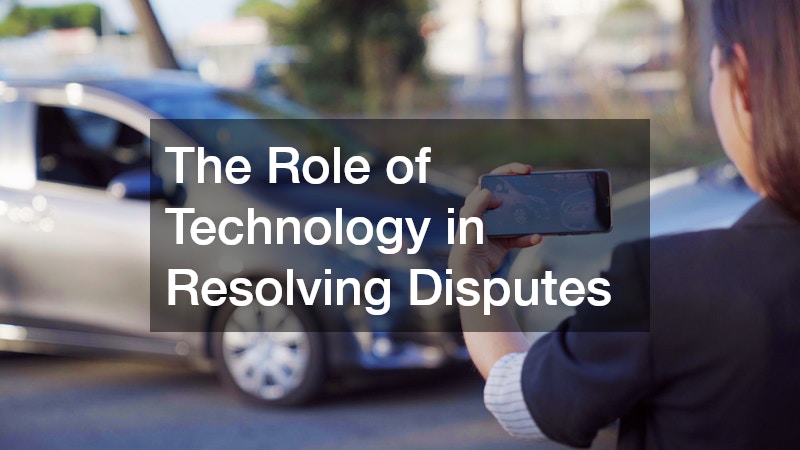
As we move further into 2026, technology is playing an increasingly large role in how these disagreements are resolved. High-definition dashcams, telematics data from the vehicles themselves, and even smart city sensors provide a level of objective truth that was previously unavailable. Yet, even with this data, disagreements persist. One side might argue that the data shows the driver was speeding, while the other side points out that the data proves the other vehicle failed to yield. The interpretation of digital evidence is the new frontier for those in the legal field. It requires a blend of technical literacy and traditional legal skill to present this information in a way that is clear and compelling. The insurance companies have their own data scientists, while the legal teams hire digital forensic experts. This arms race of information is designed to eliminate the “he said, she said” nature of many claims, but it often just moves the disagreement to a more technical level.
The Long Road to Final Resolution
The process of moving from a crash to a final settlement is rarely a straight line. It is a series of loops, hurdles, and pauses. The disagreement between the insurance side and the legal side is not a sign that the system is broken; rather, it is a sign that the system of checks and balances is working. Each party is performing its designated role. The insurer acts as a gatekeeper of funds, while the legal representative acts as an advocate for the individual. The friction between them is what eventually pushes the case toward a resolution that, ideally, reflects the true value of the loss. For the victim, the key is to remain patient and to ensure they have the right people in their corner. Without strong advocacy, it is all too easy to be overwhelmed by the administrative pressure of a large corporation that deals with thousands of these cases every day.